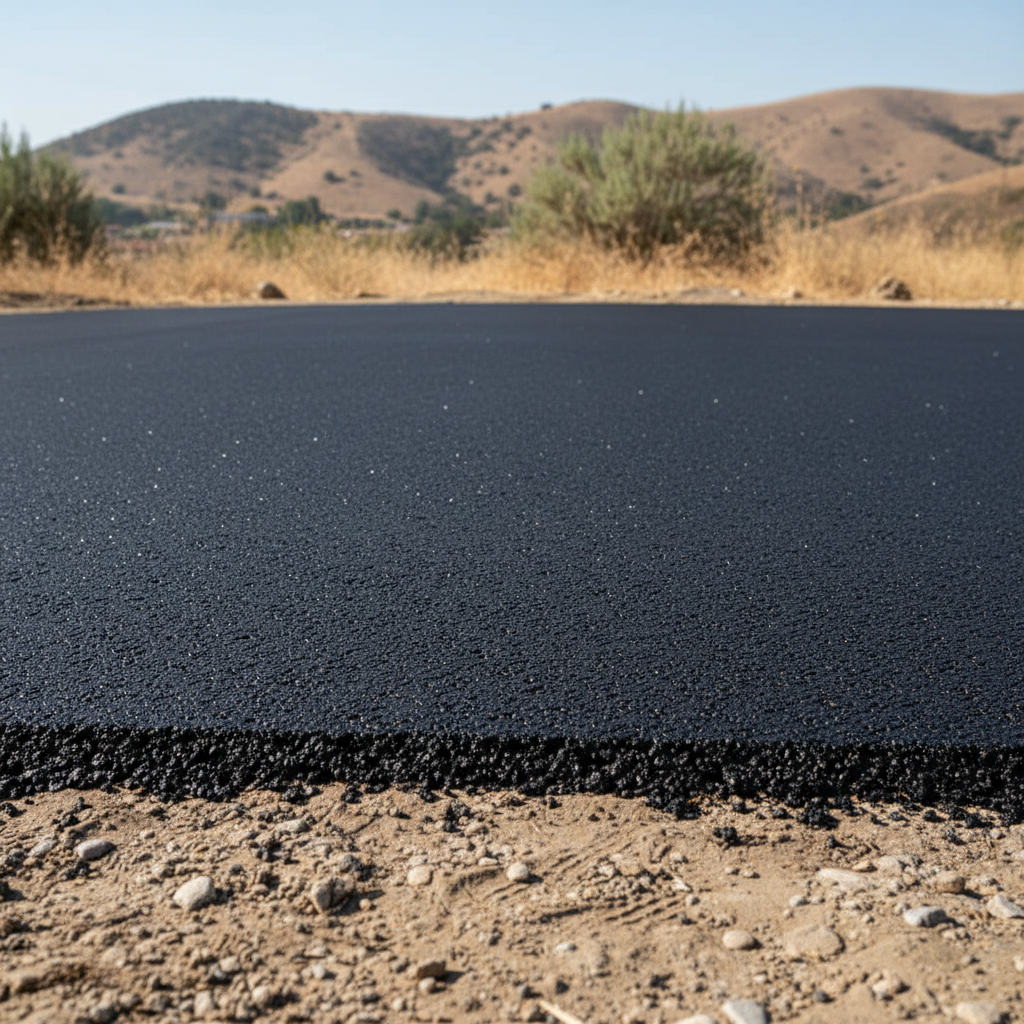
So, you're staring at your driveway, huh? And you're probably thinking it's about time for some asphalt work. Maybe it's just a few pesky cracks, or perhaps you're dreaming of a completely fresh surface. That's a pretty common thought for folks around Lake Elsinore, especially with our scorching summers and those heavy rains that occasionally roll through – they really can wreak havoc on pavement. But what can you actually tackle yourself, and when is it really time to pick up the phone and call a pro?
Before You Start: Planning Your Paving Project
First things first, you need a plan. Don't just grab a shovel and dive in. Take a moment to think about what you're actually trying to accomplish. Are you patching a pothole, sealing an existing driveway, or laying down a brand-spanking-new one? Your answer changes everything, believe me.
If it's just a small pothole or a couple of minor cracks, you might be able to handle it. Hardware stores stock plenty of patching compounds and crack fillers. You'll want to clean the area really well first – no loose debris, no standing water. Make sure the edges are solid, too. Then, just apply your patch following the directions on the package. It's not rocket science, but it does take a little patience and attention to detail if you want it to last.
Sealing? That's another DIY possibility. Giving your driveway a fresh seal every few years helps protect it from harsh UV rays, water, and those inevitable oil spills. You'll need to get the surface super clean first; power washing usually does the trick. Let it dry completely. After that, you apply the sealer with a squeegee or roller. It's definitely a workout, and you've got to be careful to avoid streaks, but a homeowner can absolutely do this one.
But here's where we hit a wall for the DIY crowd: anything beyond minor repairs or sealing. If you're talking about widespread cracking, major rutting, or a completely new driveway, you're looking at a job for the professionals. This isn't just about pouring asphalt. It involves proper grading, preparing the base, ensuring good drainage, and using specialized, heavy equipment. Trust me on this one: you do not want to rent a paver and try to figure it out on the fly. You'll just end up with a huge mess and a much bigger bill to fix it.
During the Project: What to Expect from the Pros
When you call a company like Neighborly Asphalt Co for a big job, here's a glimpse into what we'll be doing. We start with the subgrade – that's the soil underneath everything. Here in Lake Elsinore, especially in areas with expansive clay soils like you find around Canyon Hills, getting the subgrade compacted and stabilized correctly is absolutely crucial. If that's not done right, your new driveway will crack and settle way too fast, no matter how good the asphalt itself is.
Next comes the base layer. This is usually compacted aggregate, which gives us a stable foundation. Then we lay down the asphalt binder layer, and finally, the surface course. Each layer needs precise compaction. We use heavy rollers to get the density just right. This isn't just about making it look smooth; it's about making it tough enough to handle vehicle weight and the elements for years and years.
A good contractor will also chat with you about drainage. You really don't want water pooling on your driveway, especially near your house. We'll make sure the slope is correct, directing water away. This is a big one, often missed by folks trying to do it themselves.
After the Paving: Maintenance and Longevity
Once the asphalt is down, whether you patched a small spot or had a whole new driveway installed, maintenance is the secret to making it last. For a brand-new driveway, you need to stay off it for a few days – typically 24-72 hours, depending on the weather and the specific mix we used. Don't park heavy vehicles on it too soon; it's still curing, after all.
Keep it clean. Sweep off leaves and dirt. Clean up oil and gas spills quickly, as they can really break down the asphalt binder. And like I said earlier, sealcoating every 2-5 years is a fantastic way to protect your investment. Think of it as sunscreen for your driveway.
Regularly check your asphalt. Look for small cracks. If you catch them early, you can fill them with a crack sealer before they grow into bigger headaches. Potholes also start small, don't they? Address them as soon as you spot them. It's much, much cheaper to fix a tiny crack than to repave an entire section.
So, can you do some asphalt work yourself? Absolutely, for the small stuff. But for anything that involves significant digging, grading, or laying down new asphalt, you're definitely going to want to call in the professionals. It's an investment, and you want it done right the first time so you don't have to worry about it for a long, long time.