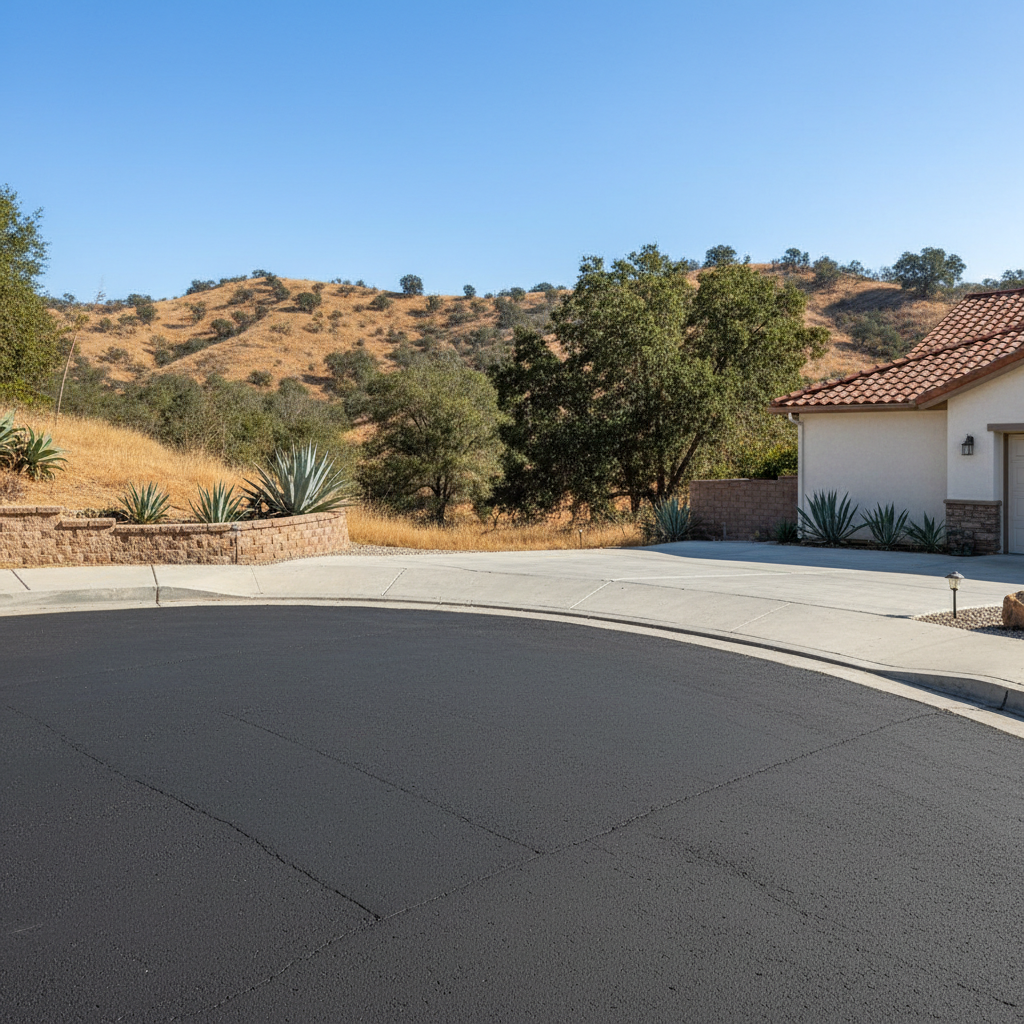
So, you've patched up some asphalt, maybe on your driveway or a commercial lot. Good move! You tackled a problem before it spiraled. But don't just forget about it now. A patch, no matter how perfectly it's done, isn't a "set it and forget it" kind of thing. You've really got to look after it, especially with the wild weather we get here in Lake Elsinore.
Just think: we bake in those scorching summers, sometimes hitting 100 degrees for days on end, then get hit with those heavy winter rains that can truly put your pavement to the test. That's why proper maintenance for your asphalt patches isn't just a nice idea; it's absolutely crucial if you want them to stick around.
Making Your Asphalt Patch Last Longer
You want that patch to blend in and hold strong for years, right? Here’s how you do it:
Keep it Clean: Sounds pretty basic, but dirt, gravel, and other debris can trap moisture against the patch, or get ground right into it by car tires. Sweep it off regularly. Those little rocks from the hillside neighborhoods around Canyon Hills can honestly wreck fresh asphalt if you let them sit.
Control Drainage: Water is asphalt's arch-nemesis. Make sure water isn't just pooling on or around your patched area. If you've got a low spot, or if your gutters are dumping water directly onto the patch, you're asking for trouble. Get that water flowing away from the pavement.
Limit Heavy Loads: For the first few days, maybe even a week or two after a patch, try to keep heavy trucks or equipment off it. Asphalt needs time to cure and fully harden, you know? Driving a big RV over a fresh patch too soon can cause depressions or cracking.
Watch for Oil & Gas Spills: These chemicals literally break down the binder in asphalt, making it soft and crumbly. If you spill something, clean it up immediately with an absorbent material, then wash the area with soap and water. Don't let it just sit there.
Sealcoat When Ready: Once your patch has fully cured (that usually takes 30-90 days, depending on the patch type and weather), getting a sealcoat over the whole surface, patch included, is a really smart move. It protects the asphalt from UV rays, water, and chemicals, and helps the patch visually blend in with the rest of the pavement.
Regular Upkeep for Patched Areas
Beyond those first steps, ongoing care is pretty simple:
Inspect Regularly: Walk your property once a month, or at least every couple of months. Pay special attention to the patched areas. Are they still smooth? Do you see any new cracks forming around the edges? You're basically looking for changes.
Address Small Issues Quickly: If you spot a tiny crack near a patch, don't just shrug it off. A small crack can turn into a big pothole fast, especially after a good rain. Get it filled with crack sealant. It's cheap insurance, really.
Seasonal Cleaning: Before summer hits, give your asphalt a good wash to get rid of any built-up grime. After the winter rains, check for any erosion or shifting of the ground around the edges of your pavement.
Warning Signs Your Patch Might Be Failing
You're not a paving expert, and that's okay. But you can definitely spot these red flags that tell you your patch might be giving up the ghost:
Cracks in or Around the Patch: This is usually the most obvious sign. If new cracks are showing up within the patched area itself, or if the cracks that were originally patched are reappearing, that's a problem. Cracks along the seams where the patch meets the old pavement are also a bad sign.
Raveling: This happens when the aggregate (those small stones) starts to come loose from the asphalt binder, making the surface look rough and crumbly. It often begins at the edges of a patch.
Potholes Reforming: If the original pothole or depression starts to reappear in the patched area, the repair just wasn't effective or it's failing.
Depressions or Rutting: If the patch itself is sinking or developing grooves, especially in spots with heavy traffic, it means the patch material isn't holding up or the base underneath is weak.
Water Pooling: If water consistently pools on the patched area after rain, it points to a change in the surface grade, which can lead to even more deterioration.
When to Call a Professional
You can handle the sweeping and the crack filling, no problem. But some things really do need a pro. Don't hesitate to call us at Neighborly Asphalt Co if you notice any of these issues:
Extensive Cracking: If you've got a spiderweb of cracks across a large patched area, or if cracks are getting wider than a quarter-inch, you're past DIY territory. Water will get in there and destroy the base.
Reappearing Potholes: If a patched pothole keeps coming back, it means the underlying issue wasn't fully fixed, or the patch failed. You need a deeper look.
Significant Sinking or Rutting: This often points to a problem with the sub-base, which is something a homeowner just can't fix. It requires specialized equipment and knowledge.
Large Areas of Raveling: If the surface of your patch is disintegrating over a big section, it's losing its structural integrity.
Any Drainage Issues: If you've got standing water that won't go away, or if you suspect water is undermining your pavement, you need an expert to assess and fix the grading or drainage.
Look, a good asphalt patch should last a long time, but it needs a little bit of care. Keep an eye on it, fix small problems, and know when to call in the cavalry. That's how you protect your investment and keep your property looking good and safe.