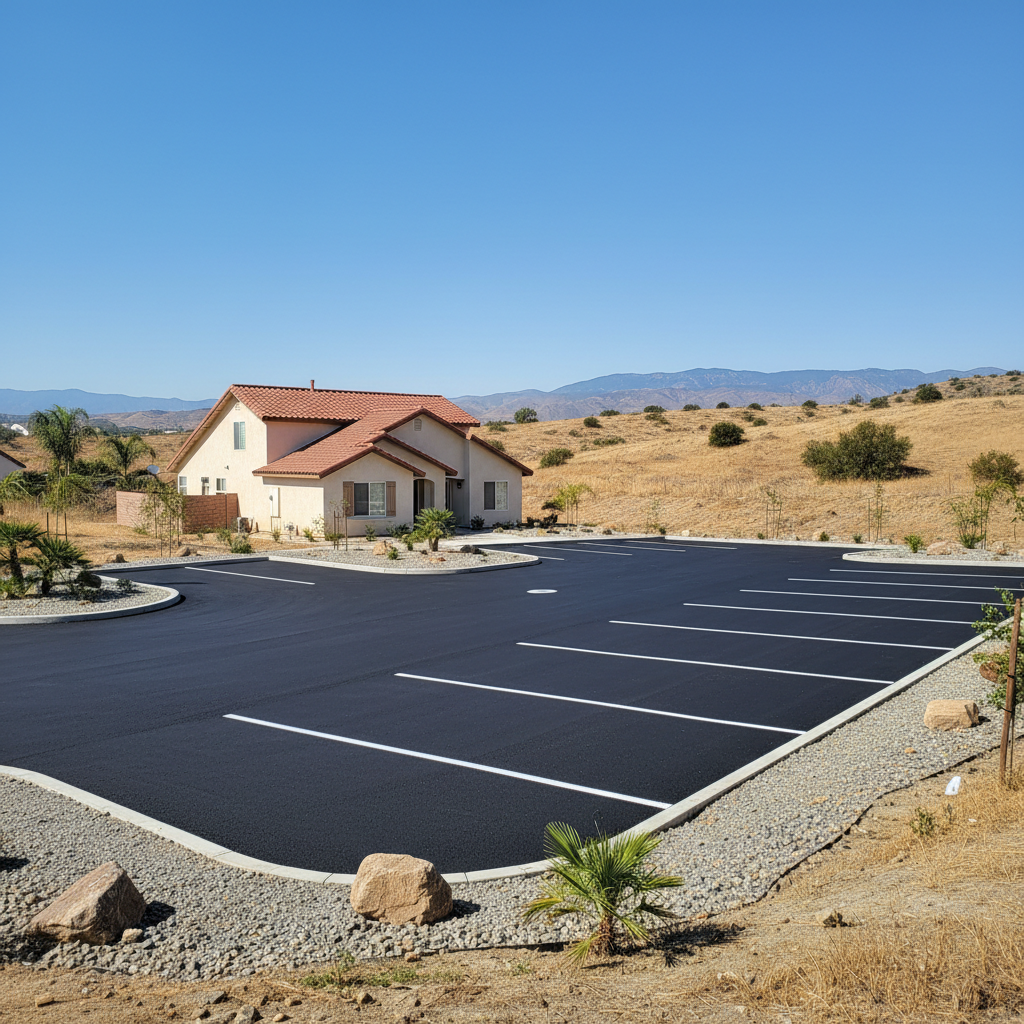
Thinking about putting in a new parking lot or maybe just repaving an old one? Whether it's for a small business, an apartment complex, or even a big residential property, it's a pretty significant project. You don't just wake up one morning and decide to pour asphalt, do you? There's a lot that goes into it, and getting it right means you've got to plan ahead. I've seen plenty of projects go sideways because folks didn't know what to expect, so let's walk through it together.
Your Paving Project Timeline: What to Expect
Alright, let's talk about how long this all takes. A parking lot isn't a quick fix, and you really can't rush good work. Generally, you're looking at a few stages, and each one has its own timeframe.
- Initial Consultation & Quote (1-2 weeks): This is when you give us a call. We'll come out, check out your site, talk about what you need, and measure everything. After that, we'll put together a detailed quote for you. Good contractors are usually pretty busy, so just getting on their schedule for this first step can take a few days.
- Permitting (Variable, 2-6 weeks or more): This often turns out to be the biggest wildcard. Depending on how big your lot is, what the local rules say, and if you're changing drainage or grading, you might need permits from the City of Lake Elsinore. We can't really control this part much, but we can definitely help guide you on what you'll need. Seriously, don't skip this step; fines are way more expensive than permits.
- Scheduling (1-4 weeks out): Once you've given the green light on the quote and those permits are in hand, we'll get you onto our schedule. Weather plays a huge role here in Southern California, especially during our hotter months. We can't pave in the rain, and extreme heat can mess with how asphalt cures.
- Construction (A few days to 2 weeks): This is the actual paving work itself. A typical small-to-medium parking lot might take 2-5 days for us to handle excavation, base prep, and the paving. Bigger jobs, naturally, will take longer.
- Curing & Striping (1-2 weeks after paving): You can't just drive on fresh asphalt right away. It needs time to cure. We usually tell people to wait at least 2-3 days before light traffic, and a week or more for heavier vehicles. We'll do the striping and signage after the asphalt has cured enough.
So, from your very first call to finally driving on your new lot, you're realistically looking at anywhere from 6 weeks to 3 months. Sometimes even longer for truly complex jobs. Patience is key, wouldn't you agree?
What Happens During the Paving Process?
When we're actually on site, here's the rundown of what you'll see us doing:
- Site Preparation & Excavation: First things first, we clear the area. That means taking out any old asphalt, dirt, debris, or plants. We'll dig down to the right depth, which depends on the soil and how much traffic you expect. Here in Lake Elsinore, we often deal with expansive clay soils, so we might need to dig a bit deeper and use more aggregate base to make sure the foundation is super stable.
- Grading & Base Installation: This part is absolutely crucial. We'll grade the sub-base so water drains properly – nobody wants puddles everywhere. Then, we lay down and compact a layer of aggregate base material. Think of this as the backbone of your parking lot; it gives it strength and stability. If this isn't done right, your asphalt won't last.
- Binder/Tack Coat: Before that hot asphalt goes down, we spray on a liquid asphalt emulsion. This stuff acts like glue, helping the new asphalt layer stick to the base.
- Asphalt Paving: The main event! Hot asphalt mix comes in and our paving machine spreads it out. Our crew then follows with rollers to compact it to the right thickness and density. We have to do this quickly and efficiently while the asphalt is still hot.
- Compaction & Finishing: We'll make several passes with different rollers to get maximum compaction and a smooth, even surface.
- Curing: Once it's laid, the asphalt needs to cool and harden. This takes time, which is why we block off access.
- Striping & Markings: After the asphalt has cured, we come back to paint parking lines, handicap symbols, arrows, and any other markings you need.
How to Prepare Your Property
A smooth project really starts with good preparation on your end. Before we even show up to start digging:
- Clear the Area: Get anything that's in the way out of there. Cars, equipment, stored materials, planters, trash bins – just clear it all. We can't work around your stuff.
- Mark Utilities: Call 811 (Dig Alert) at least two business days before any digging is scheduled. They'll mark underground utility lines (gas, water, electric, communication). This is non-negotiable for safety, and it helps you avoid costly damage.
- Inform Neighbors/Tenants: If it's a business or apartment complex, let everyone know about the dates and what disruptions to expect. Where will they park? How will they get into the building? Good communication prevents a lot of headaches.
- Plan for Access: While we're paving, access to your property or parts of it will be restricted. Make sure you've got a plan for deliveries, employees, customers, or residents.
- Secure Pets/Children: Construction sites are dangerous places. Keep pets and kids well away from the work zone.
Key Questions to Ask Before You Sign
You're about to invest a good chunk of change, so ask the right questions. Don't be shy; it's your money.
- What's your experience with projects like mine? You want someone who's done parking lots, not just driveways. Ask for references or photos of similar work. We're Neighborly Asphalt Co, and we've handled plenty of commercial and large residential jobs right here in the area.
- Is your company licensed and insured? Always, always, always ask for proof. A reputable contractor will have no problem showing you their current license and insurance certificates (liability and worker's comp). This protects you.
- What's included in the quote? Get a detailed breakdown. Does it cover excavation, base material, asphalt, compaction, and striping? What about permits, drainage work, or any repairs to existing structures? Make sure there are no hidden costs.
- What type of asphalt mix will you use, and what's the thickness? Different mixes are for different uses. For a parking lot, you need a durable mix and a specific thickness (e.g., 2-3 inches compacted over a 6-8 inch aggregate base) to handle vehicle traffic.
- What's your warranty? A good contractor stands behind their work. Ask about the warranty period and what it covers.
- How do you handle unexpected issues? Sometimes we hit unforeseen problems, like bad soil or unmarked utilities. Ask how those situations are communicated and resolved, and what impact they might have on the cost or timeline.
- What's the payment schedule? Typically, there's an upfront deposit, progress payments, and a final payment once the job is done. Understand the terms.
Getting a new parking lot is a big undertaking, but with the right planning and the right contractor, it'll be a smooth process. Do your homework, ask tough questions, and you'll end up with a durable, long-lasting surface that serves your needs for years to come.