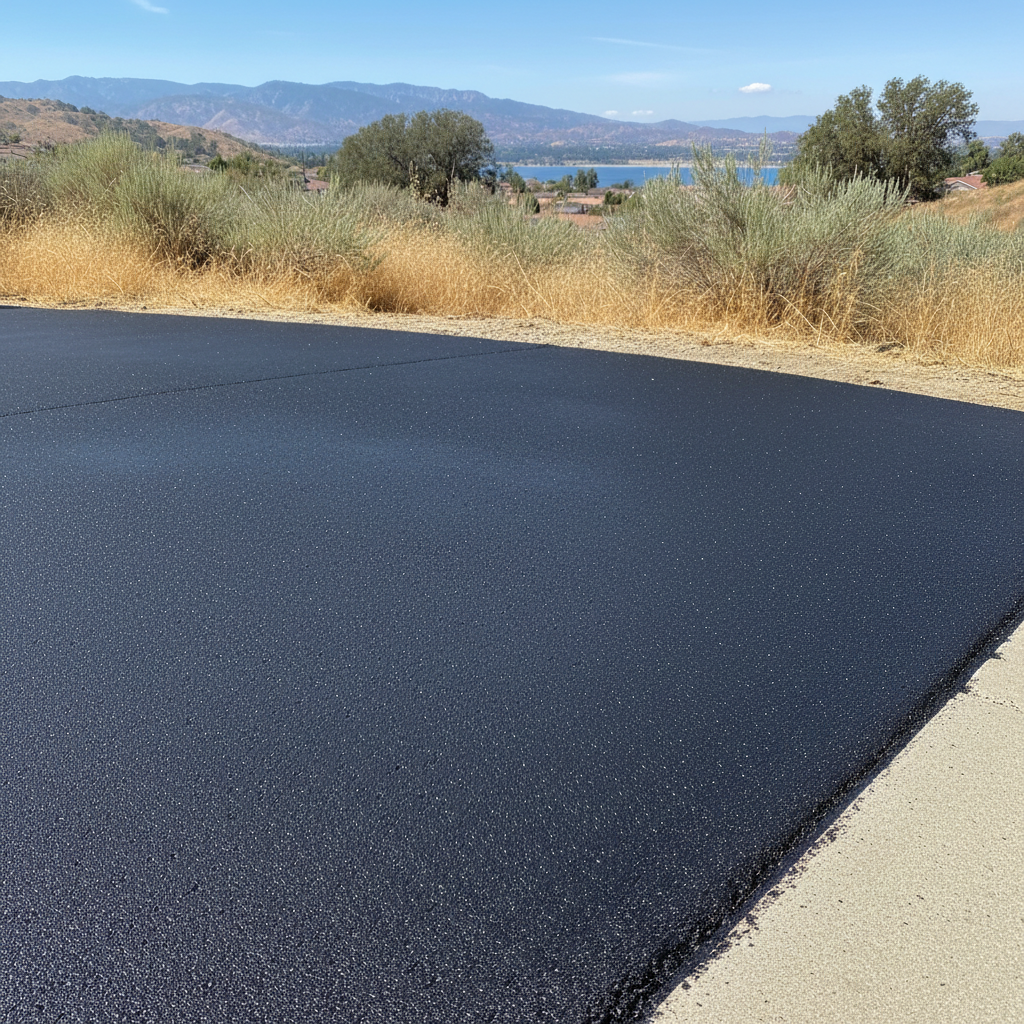
Do I really need to sealcoat my asphalt driveway?
Look, if you want your driveway to last, you absolutely need to sealcoat it. Think of it like sunscreen for your skin, or maybe paint for your house. Asphalt, especially here in Lake Elsinore with our intense summer sun and big temperature swings, really takes a beating. UV rays break down the asphalt binder, making it brittle and prone to cracking. Then water gets into those cracks, freezes, expands, and boom — you've got potholes. Sealcoating puts a protective layer over your asphalt, shielding it from the sun, water, and even chemicals like oil and gas. It's not just about making it look pretty – though it does that too – it's about extending its life and saving you money on costly repairs down the road. I've seen too many driveways in places like Canyon Hills that were neglected, and they end up needing full replacements way sooner than they should. What a waste!
How often should I sealcoat my driveway?
This is a common question, and there's no single perfect answer, but I can give you a solid rule of thumb. For a brand new asphalt driveway, you should wait about 6-12 months before that first sealcoat. This gives the asphalt time to cure properly, which is important. After that initial application, most residential driveways around here should be sealcoated every 2-3 years. If your driveway sees heavy traffic, gets a lot of direct sun, or you just really want to keep it looking pristine, you might lean closer to every two years. If it's mostly shaded and doesn't get much action, you could push it to three. Don't go much longer than that, though, or you're just asking for trouble and undoing all the good work.
What's the best time of year to sealcoat in Lake Elsinore?
Timing is everything when it comes to sealcoating. You need warm, dry weather for the sealant to cure properly. That means avoiding the rainy season, obviously, and also those cooler winter months when temperatures drop too low. Here in Lake Elsinore, our sweet spot is typically spring (March to May) and fall (September to November). Summer can work too, but you've really got to watch out for those extreme heat waves. If it's too hot, the sealant can dry too fast, which can cause issues later on. You need consistent temperatures above 50°F (10°C) for at least 24-48 hours after application. Early mornings are usually best during the warmer months; this lets it cure throughout the day without getting baked immediately.
How long does it take to dry, and when can I drive on it?
Once we're done applying the sealcoat, the surface will typically be dry to the touch within a few hours, usually 2-4 hours depending on temperature and humidity. But