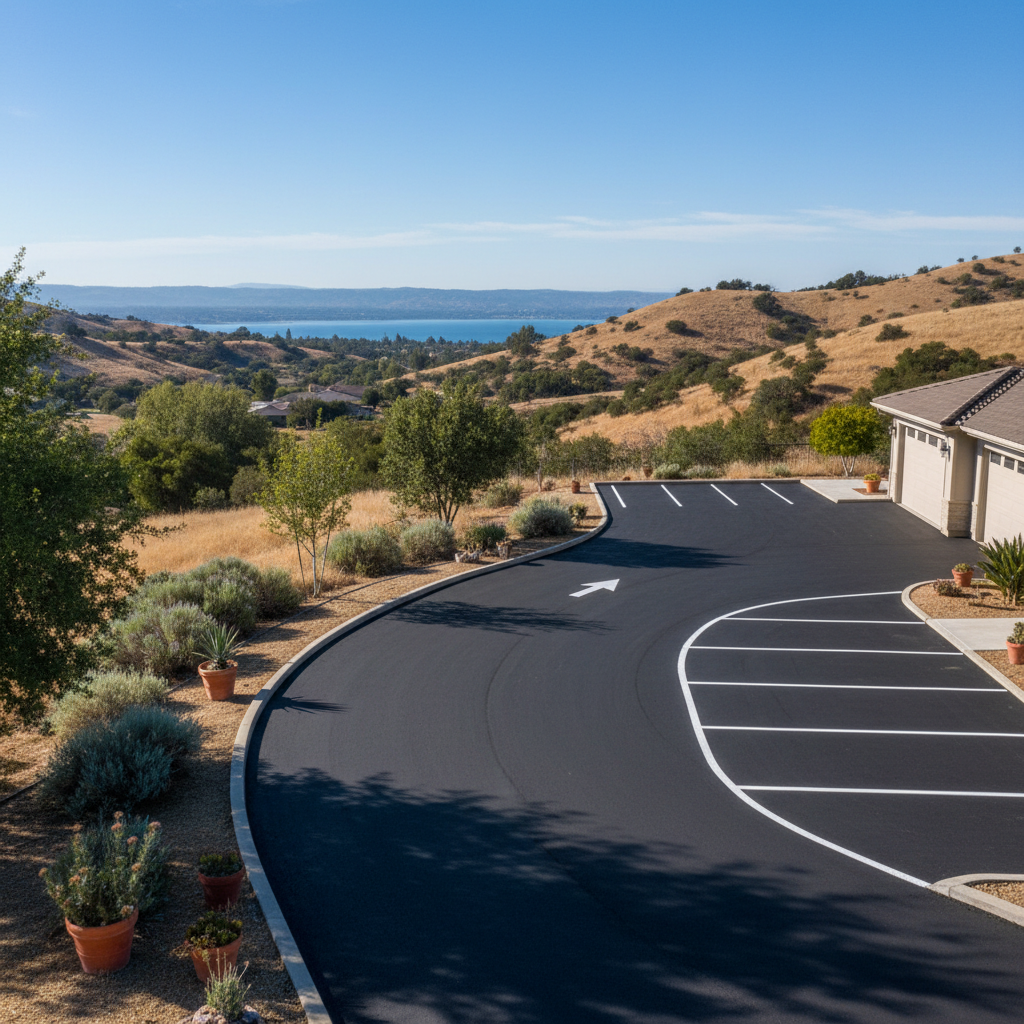
So, you’re thinking about getting some asphalt striping done around your place. Maybe it’s a new basketball court, some clear parking spots for your RV, or just tidying up the lines on a shared access road. Whatever the reason, you want it done right, and you definitely don’t want any surprises. I get it. As a local contractor, I’ve seen my share of striping jobs, both good and bad. Let’s talk about how to plan yours so it goes smoothly.
Project Timeline: What to Expect
When you’re thinking about a striping project, the timeline usually isn't weeks or months, but days. Most residential striping jobs, especially for smaller areas like a few parking spots or a sports court, we can often get done in a single day. The biggest thing that changes this, though, is usually the weather. We need dry conditions, and ideally, it shouldn't be too hot or too cold. Here in Lake Elsinore, those hot summer days can mean we start earlier in the morning to beat the peak heat, which really helps the paint cure correctly.
Here’s a rough breakdown:
- Initial Contact & Quote: We can usually come out, measure, and get you a solid price within a day or two.
- Scheduling: Once you approve the quote, we’ll get you on the books. This might be anywhere from a few days to a week out, depending on how busy we are and, of course, the weather forecast.
- Prep Work: On the day of the job, we’ll spend some time cleaning the surface. This is super important for the paint to stick well.
- Layout & Striping: This is the main event. We’ll measure, snap chalk lines, and then apply the paint.
- Curing Time: This part is critical. You can’t drive or walk on fresh striping right away. Depending on the paint type and weather, it usually needs a few hours to fully cure. We’ll tell you exactly how long you need to wait.
What Happens During the Striping Process?
It’s pretty straightforward, but a good contractor follows a specific process to make sure the job is clean and lasts a long time. First off, we’ll make sure the surface is clean. We might use blowers to remove loose dirt, leaves, or other debris. If there’s oil or grease, we’ll need to deal with that too, because paint just won't stick to it. Sometimes, if the asphalt is really old and faded, or if you’ve just had a new sealcoat, we might need to put down a primer first. This isn’t always necessary for simple striping, but it’s something we’d talk about if your surface needs it.
Next, we measure and lay out the lines. This is where precision really matters. We use chalk lines, stencils, and sometimes even lasers to get everything perfectly straight and spaced correctly. Then, we apply the paint. We use specialized striping machines that make sure the line is even and consistent. For things like handicap symbols, arrows, or custom logos, we use stencils and apply the paint by hand or with a smaller sprayer.
Once the paint is down, we’ll set up cones or tape off the area to keep traffic away until it’s dry. You really don’t want to mess up fresh paint — it’s a pain to clean and can ruin the look of the whole job, right?
How to Prepare Your Property
Your part in getting ready for a striping project is usually pretty minimal, but it helps us do our job efficiently. Here’s what you can do:
- Clear the Area: Make sure the area we’re striping is free of cars, boats, RVs, trash cans, toys, or anything else that might be in the way. If it’s a shared driveway or parking area, let your neighbors know when we’ll be there so they can move their vehicles too.
- Trim Overhanging Branches: If you have trees with low-hanging branches that might get in the way of our equipment or access, give them a trim.
- Communicate: If you have specific instructions, like exactly where you want a certain line or symbol, make sure you’ve discussed it with us beforehand. We’ll confirm everything before we start.
- Keep Pets Away: For their safety and to prevent paw prints in fresh paint, keep your pets indoors or in a secure area away from the work zone.
Questions to Ask Before Signing a Contract
Before you commit to any contractor, you want to be sure they know what they’re doing and that you’re getting a fair deal. Don’t be shy about asking questions. Here are some good ones:
- What type of paint do you use? There are different kinds of striping paint out there. Some last longer, some dry faster. Make sure it’s right for our climate and your specific asphalt surface.
- How long will the paint take to dry/cure? You need to know when you can use the area again, obviously.
- Is surface preparation included in the quote? Cleaning, sweeping, and any necessary priming should definitely be part of the deal.
- What’s your warranty on the striping? A good contractor stands behind their work. We at Neighborly Asphalt Co. certainly do.
- Are you licensed and insured? This is non-negotiable. You want a contractor who’s properly covered in case of an accident.
- Can I see some examples of your previous striping work? Photos or even addresses of nearby projects can give you confidence in their quality.
- What’s the total cost, and what’s included? Make sure there are no hidden fees. Get a detailed, written quote.
Asking these questions will help ensure you hire a reputable contractor and that your striping project goes off without a hitch. A little planning goes a long way to getting those crisp, clean lines you’re looking for.